Business
0 followers·36 articles
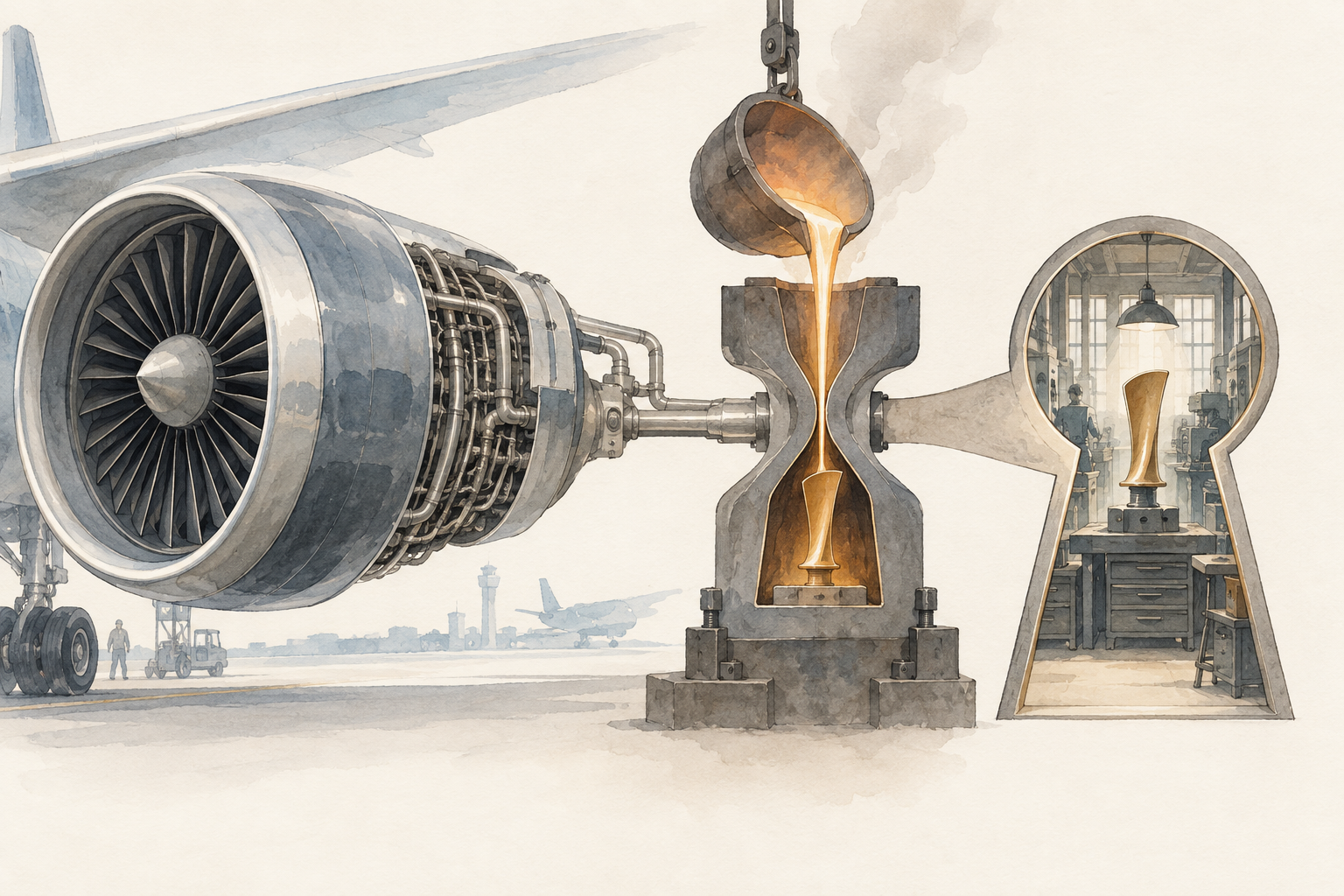
GE Aerospace’s $11.75 Billion CPP Deal Secures a Critical Supply-Chain Bottleneck
September 9, 2026
GE Aerospace’s agreement to buy Consolidated Precision Products is more than a supplier acquisition: it is a vertical-integration bet on scarce casting capacity. The transaction shows how engine makers are treating manufacturing choke points as strategic assets as commercial, aftermarket and defense demand strain aerospace supply chains.
7m

7m
Enel’s São Paulo dispute turns storm reliability into concession risk
Enel’s attempt to stop a Brazilian revocation proceeding shows how grid resilience failures can move from operational controversy to a direct threat to market access. For global utilities, storm response is becoming a core license-to-operate issue, not only a performance metric.
7m
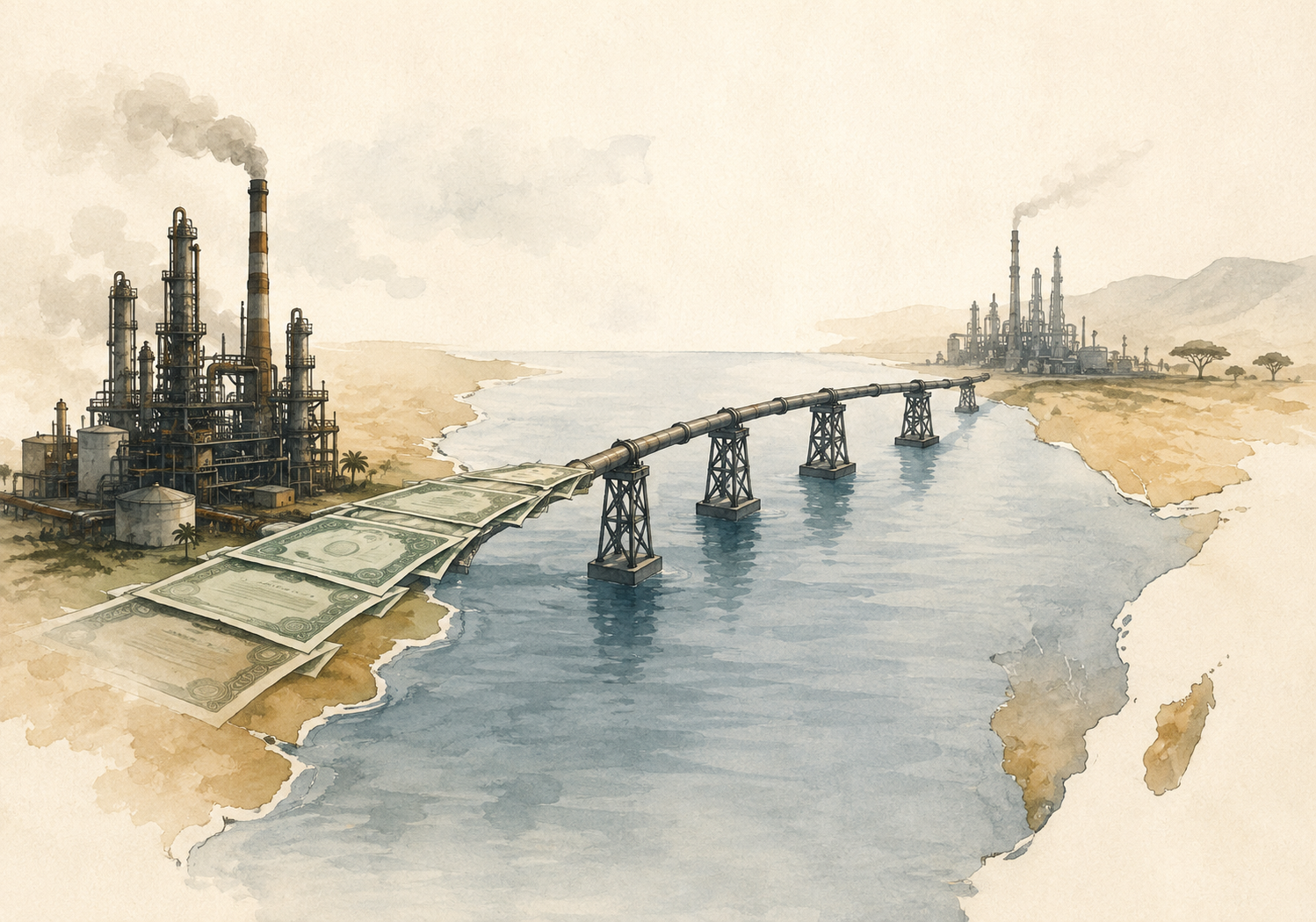
Dangote Refinery IPO Tests Push to Build an African Fuel Platform
Dangote Group’s planned refinery IPO is less a conventional listing than a funding bridge for a larger industrial strategy: doubling Nigerian refining capacity while extending the model to Kenya. If successful, the plan would use public equity to finance a regional refining network aimed at reducing Africa’s reliance on imported fuels.

4m
SoundHound closes LivePerson deal, names John Collins CFO amid customer-service AI consolidation
SoundHound AI completed its acquisition of LivePerson on September 4, combining voice and agentic AI with enterprise messaging infrastructure and appointing former LivePerson executive John Collins as CFO. The deal reflects a broader shift in customer-service AI from standalone tools toward unified platforms spanning voice, messaging, orchestration, data and enterprise accounts.
Airtable Deal Tests Bending Spoons’ SaaS Turnaround Model
September 5, 2026
Bending Spoons completed its all-cash acquisition of Airtable on September 4, giving the newly listed Italian software consolidator a high-profile test of its operating model. The challenge is whether it can improve growth and profitability at a widely used workflow platform without undermining customer trust.

7m

6m
Adobe’s CEO Pick Signals an Enterprise AI Push
Adobe’s decision to elevate customer-experience and field-operations leader Anil Chakravarthy over creative-products chief David Wadhwani signals where the company sees its next growth engine. The market reaction suggests investors are not yet convinced that enterprise AI workflows can offset pressure on Adobe’s creative-software franchise.

6m
Lululemon’s new CEO faces a merchandising reset, not just slower sales
Lululemon’s latest forecast cut turns the spotlight on incoming CEO Heidi O’Neill’s ability to rebuild the product engine while protecting the premium economics that made the brand a retail outlier. The central test is whether the company can regain relevance against Alo Yoga, Vuori and other athleisure challengers without leaning too heavily on discounts.

5m
TD Bank COO exits in latest leadership reset after U.S. AML penalty
TD Bank Group Chief Operating Officer Taylan Turan is leaving less than a year after joining, as CEO Raymond Chun makes another round of senior appointments tied to strategy, technology and execution. The quick COO exit sharpens governance questions about whether TD’s leadership overhaul is settling its remediation agenda or revealing continued strain in the management structure.
Shell’s ARC Deal Shows Big Oil Buying Growth in Gas-Rich Basins
September 4, 2026
Shell’s completed $16.5 billion acquisition of ARC Resources adds roughly 370,000 boe/d and deepens its position in Canada’s Montney basin. The transaction highlights how major oil companies are using M&A to rebuild output while favoring gas, LNG-linked supply and free-cash-flow resilience.

6m

4m
Dominion, NextEra shareholder votes send $66.8B utility merger to regulators
Shareholders of Dominion Energy and NextEra Energy approved key steps for their proposed $66.8 billion merger, moving the AI-era utility megadeal from investor votes to state and federal reviews. The next phase is expected to center on data-center power demand, customer bills and concerns over regional market concentration.

5m
Volkswagen’s 50,000-job reset marks a retreat from scale
Volkswagen’s board-approved Future Plan 2030 would cut about 50,000 positions, halve the model portfolio and end vehicle production at four German plants. The restructuring shows CEO Oliver Blume trying to make Europe’s largest automaker smaller, simpler and more defensible against Chinese rivals, tariffs and chronic overcapacity.

6m
Anthropic’s Claude commerce blueprints point to AI’s retail workflow push
Anthropic launched Claude blueprints for shopper and merchant agents as retailers prepare for the holiday season. The move shows enterprise AI providers moving beyond general productivity tools toward packaged industry playbooks for search, merchandising, inventory and cart-building.
Uber’s Layoffs Point to Efficiency Push and Autonomous-Mobility Shift
September 3, 2026
Uber’s plan to cut about 3,300 jobs is framed as a push to reduce bureaucracy, but the timing underscores a deeper shift: the company is simplifying its organization before robotaxis force a broader redesign of ride-hailing economics and operations.

6m

5m
Lynas takeover talks highlight succession risks in critical minerals
Lynas Rare Earths’ confirmation that it held takeover talks earlier this year underscores how strategic minerals companies can become acquisition targets before leadership transitions are settled. For industrial-policy planners, the episode highlights a tension between building national supply-chain champions and ensuring those companies have resilient governance.

5m
BP reset puts board credibility in focus as Ian Tyler becomes permanent chair
BP named Ian Tyler as permanent chair, giving the former Balfour Beatty chief executive a mandate to steady the board and rebuild shareholder confidence after Albert Manifold’s May ouster. The appointment puts governance discipline at the center of CEO Meg O’Neill’s plan to simplify the company and tighten capital allocation.

7m
KKR’s A1 Deal Shows Private Equity Scaling Home Repair
KKR’s reported $2 billion agreement to buy A1 Garage Door Service underscores a durable private-equity thesis: fragmented, essential home-repair categories can be consolidated into national services platforms. The strategic question is whether A1 becomes a standalone garage-door roll-up or another node in KKR’s broader residential-services network.
Palo Alto’s Console Deal Signals a Race for Agentic Cybersecurity Automation
September 2, 2026
Palo Alto Networks’ acquisition of Console is less about adding another security tool than about embedding agentic workflows into Cortex and reinforcing its broader platform strategy. The deal suggests large cybersecurity vendors are increasingly likely to buy AI-native automation capabilities as enterprise buyers push for faster analysis, remediation and fewer fragmented products.

6m

4m
BHP commercial chief’s exit tests China iron-ore succession strategy
BHP Chief Commercial Officer Rag Udd is set to step down at the end of January, creating a succession challenge in the miner’s most sensitive customer-facing role. The transition comes as China’s state-backed iron-ore buyer seeks tougher terms and steel-demand signals remain uneven.

6m
Australia’s Kenvue Remedy Shows Divestiture Path for Consumer-Health Megadeals
Australia approved Kimberly-Clark’s proposed $40 billion acquisition of Kenvue only after requiring the local sale of Kenvue’s Carefree and Stayfree period-care brands. The decision suggests regulators may permit large consumer-health combinations where targeted brand divestitures preserve competition, but it also previews the trade-offs Kimberly-Clark could face as it seeks global clearance.
5m
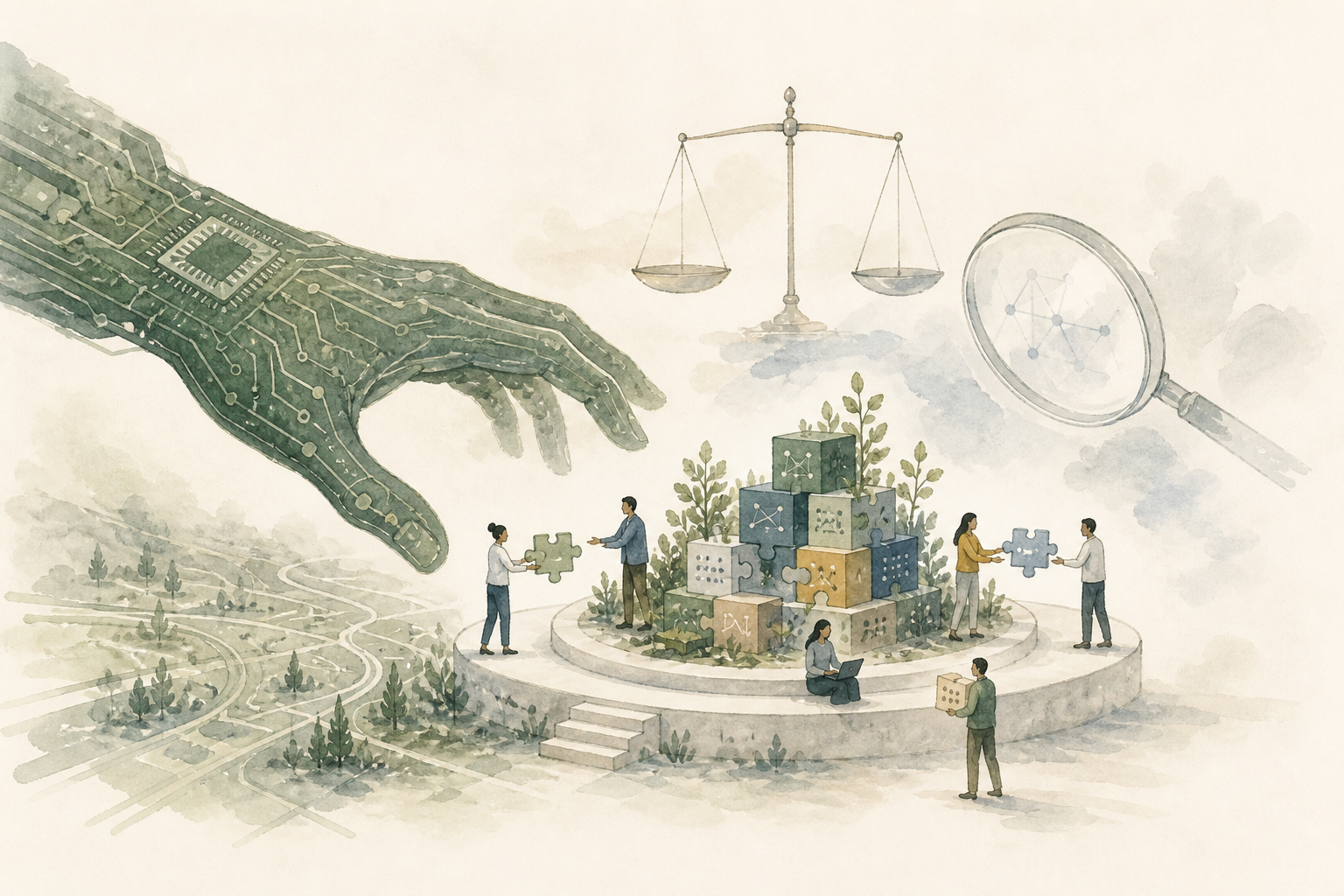
Nvidia’s Reported Hugging Face Talks Put AI’s Developer Layer in Play
A potential Nvidia acquisition of Hugging Face would extend the chipmaker’s reach from AI infrastructure into model distribution and developer workflows. The deal, reportedly under discussion at about $14 billion, could draw scrutiny from regulators and enterprise buyers concerned about platform neutrality.
Honda’s $9 Billion Supplier Push Shows How China’s EV Model Is Repricing Auto Supply Chains
September 2, 2026
Honda’s demand for sharp supplier cost cuts is more than a margin-repair exercise. It shows how legacy automakers are trying to answer Chinese EV makers’ lower prices, faster development cycles and software-heavy vehicles without fully copying China’s vertically integrated model.

7m

7m
Venezuela energy opening tests corporate risk appetite
Chevron, GE Vernova, ONGC, Eni and GeoPark are nearing final agreements in Venezuela, Reuters reported, signaling a cautious corporate return to one of the world’s richest but riskiest energy markets. For executives, the opportunity is less a simple oil-and-infrastructure play than a test of legal durability, political alignment and execution capacity.
6m
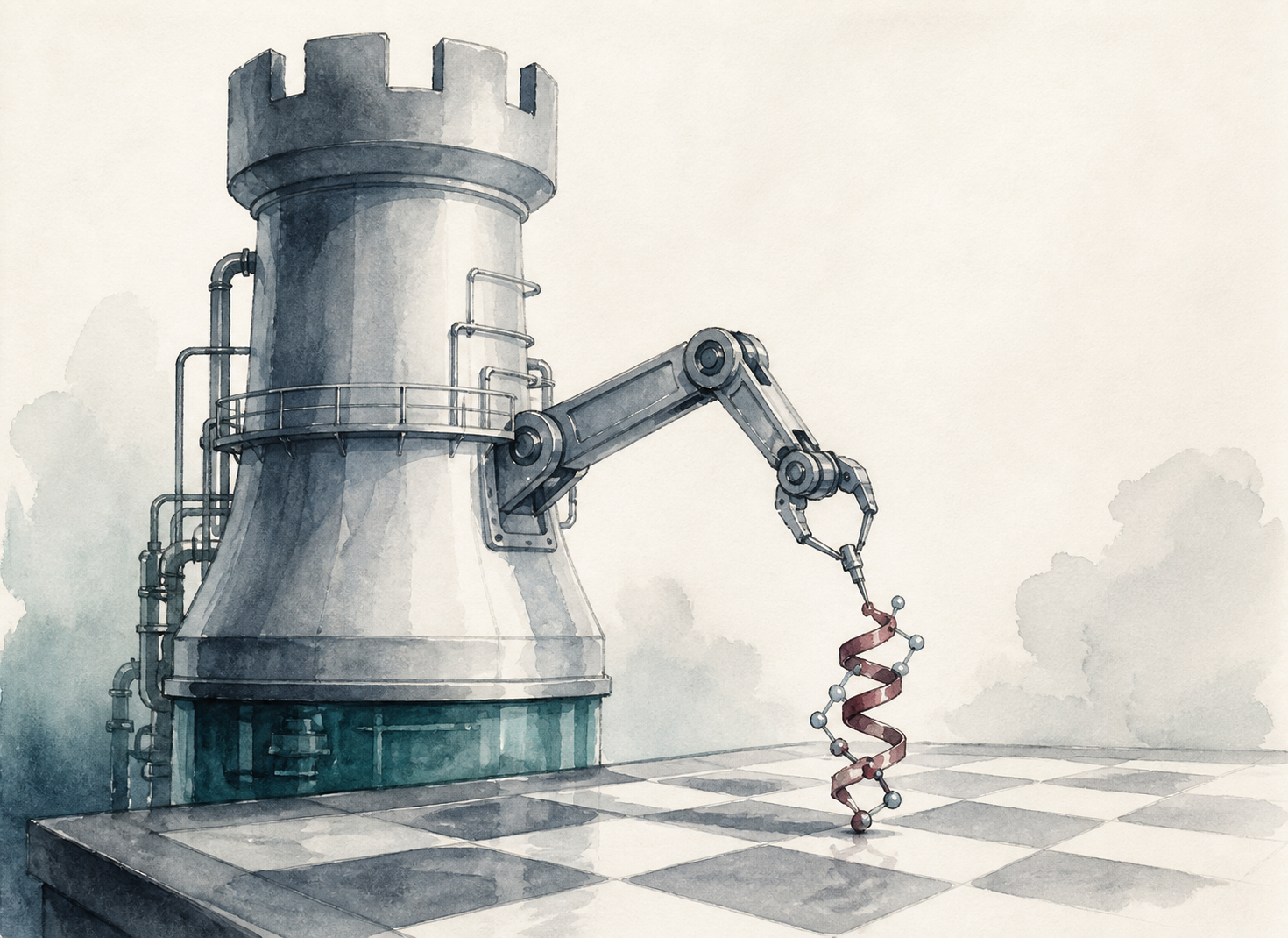
Samsung Biologics’ PolyPeptide offer underscores strategic value of peptide capacity
Samsung Biologics has published its tender offer prospectus for PolyPeptide, valuing the Swiss peptide API CDMO at about CHF 1.46 billion. The bid reflects a broader CDMO shift from scale alone toward ownership of specialized, high-growth manufacturing modalities.

7m
EQT-Coller deal moves secondaries into the private-markets mainstream
EQT’s completed combination with Coller Capital creates Coller EQT, lifts the Swedish alternative-asset manager’s AUM to €341 billion and formalizes secondaries as a standalone business line. The deal reflects a broader shift: secondaries are moving from a specialist liquidity niche into a core product set for large managers serving institutions, insurers and wealthy individuals.
Lilly’s $2.875 Billion Merida Deal Points to Wider Immunology Push
September 1, 2026
Eli Lilly agreed to acquire Merida Biosciences for up to $2.875 billion, adding an antibody-engineering platform aimed at removing disease-causing antibodies without broadly suppressing immune function. The deal extends Lilly’s 2026 acquisition campaign beyond obesity and diabetes and positions immunology as a larger growth pillar.

5m

7m
SLB’s Kelvion Deal Makes AI Cooling a Strategic Growth Platform
SLB’s $4.1 billion Kelvion acquisition is a move beyond traditional oilfield services and into the power-dense AI data-center supply chain. The deal gives SLB thermal-management capability it can integrate with modular data-center, power and industrial infrastructure offerings.

7m
Photo by on
Energy Fuels’ ASM Deal Tests Western Mine-to-Magnet Ambitions
Energy Fuels has completed its acquisition of Australian Strategic Materials, adding Korean rare-earth metal and alloy capacity and the Dubbo critical-minerals project to its portfolio. The deal advances a more credible non-China rare-earth supply chain, but full mine-to-magnet integration still depends on execution, financing and downstream magnet-making partnerships.
You've reached the end